
TMJ Disorder Treatment in South Florida: Symptoms, Causes & Chiropractic Relief

Updated: Jul 16
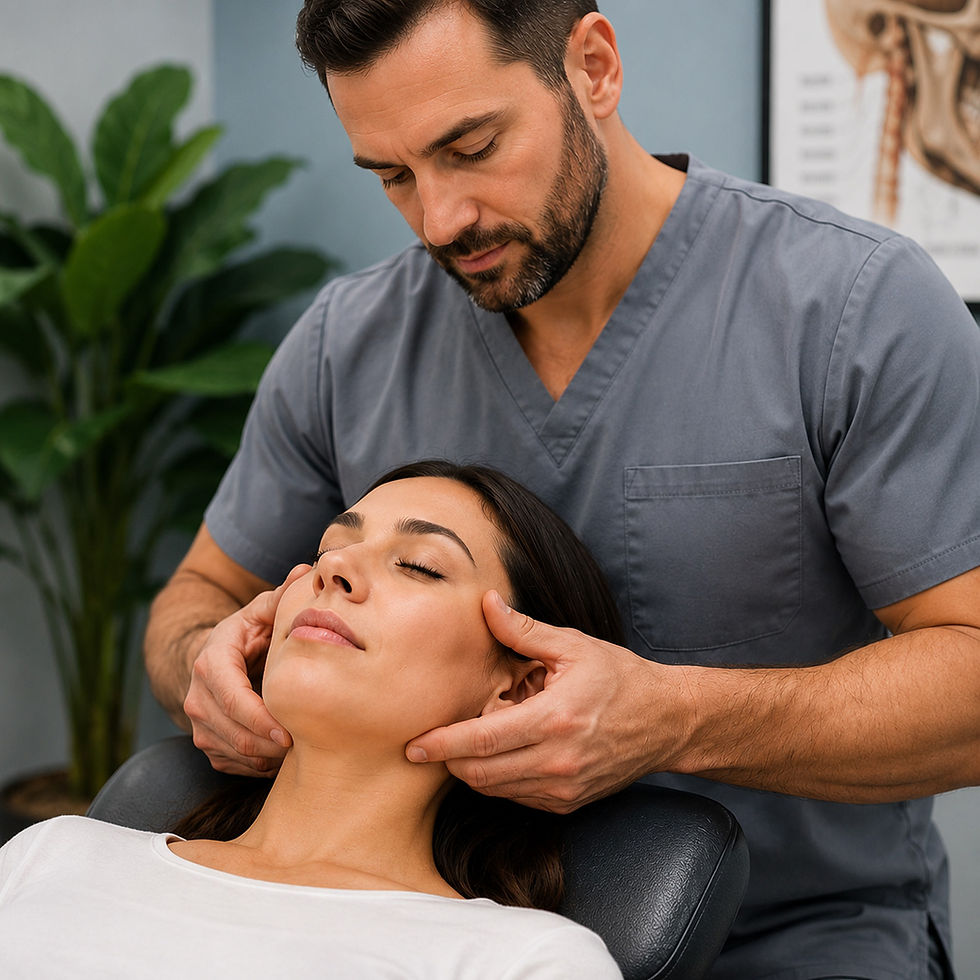
Understanding TMJ Dysfunction: Causes, Symptoms, and Natural Relief
The temporomandibular joint (TMJ) is the small but complex joint that connects your lower jaw to your skull just in front of each ear. This joint plays a critical role in everyday activities such as speaking, chewing, yawning, and opening and closing your mouth. When the TMJ becomes irritated, inflamed, or misaligned, it can lead to a condition known as temporomandibular joint disorder (TMD).
TMJ dysfunction can cause persistent discomfort that interferes with daily life. Many people experience symptoms without realizing that effective, non-surgical treatment options are available. At Affiliated Healthcare Centers, our multidisciplinary team provides comprehensive evaluations and conservative treatment options designed to help patients find lasting relief from TMJ-related pain.
What Is TMJ Disorder?
Temporomandibular joint disorders (TMD) affect the hinge joint connecting the jaw to the skull. These disorders can impact the muscles, ligaments, cartilage, and surrounding structures that support jaw movement.
When the joint does not function properly, patients may develop symptoms that range from mild discomfort to chronic pain that affects eating, speaking, and overall quality of life.
Common Causes of TMJ Dysfunction
Several factors can contribute to the development of TMJ disorders, including:
Teeth grinding (bruxism)
Jaw clenching caused by stress or anxiety
Trauma or injury to the jaw
Arthritis affecting the jaw joint
Poor posture and neck tension
Misalignment of the jaw
Muscle imbalances in the head, neck, and shoulders
Habitually chewing on one side of the mouth
Identifying the underlying cause is an important step toward creating an effective treatment plan.
Signs and Symptoms of TMJ Disorders
TMJ dysfunction can present in many different ways. Common symptoms include:
Jaw pain or tenderness
Clicking, popping, or grinding sounds when opening or closing the mouth
Difficulty chewing
Limited jaw movement or locking
Facial pain
Ear discomfort or ringing in the ears
Frequent headaches or migraines
Neck pain and stiffness
Pain around the temples
Difficulty opening the mouth fully
If these symptoms persist, seeking evaluation and treatment may help prevent the condition from worsening.
How Chiropractic Care Can Help Relieve TMJ Pain
Chiropractic care offers a conservative, drug-free approach to managing TMJ dysfunction by addressing mechanical dysfunction within the jaw, neck, and surrounding muscles.
Treatment may include:
Gentle Jaw and Cervical Adjustments
Chiropractic adjustments can help improve joint mobility, reduce restrictions, and decrease stress placed on the temporomandibular joint.
Myofascial Release Techniques
Soft tissue therapies target tight muscles in the jaw, face, neck, and shoulders to relieve tension and improve function.
Corrective Exercises
Targeted exercises may help strengthen supportive muscles, improve range of motion, and restore normal jaw mechanics.
Postural Education
Poor posture, especially forward head posture associated with desk work and device use, can contribute to TMJ dysfunction. Education and corrective strategies can help reduce strain on the jaw and cervical spine.
Collaborative Care
Because TMJ disorders can involve multiple contributing factors, treatment recommendations may also include lifestyle modifications and referrals when appropriate.
Lifestyle Tips for Managing TMJ Symptoms
In addition to professional treatment, patients may benefit from:
Practicing stress-reduction techniques
Avoiding excessive gum chewing
Eating softer foods during flare-ups
Performing prescribed jaw exercises
Applying heat or ice as directed
Avoiding extreme jaw movements
Using a custom night guard when recommended by a dental professional
Frequently Asked Questions About TMJ Disorders
Can TMJ problems cause dizziness or vertigo?
Yes. In some individuals, TMJ dysfunction may contribute to dizziness or balance disturbances due to muscle tension and irritation involving nearby structures. Addressing dysfunction in the jaw and cervical spine may help reduce these symptoms.
Can chewing on one side worsen TMJ disorders?
Yes. Consistently chewing on one side can create uneven stress on the jaw, potentially leading to muscle imbalances and increased joint strain. Restoring balanced jaw function may help reduce ongoing irritation.
Find TMJ Relief at Affiliated Healthcare Centers
If you are experiencing jaw pain, headaches, clicking sounds, facial discomfort, or difficulty chewing, early intervention can help prevent symptoms from progressing and improve your quality of life.
The experienced team at Affiliated Healthcare Centers provides comprehensive evaluations and personalized treatment plans designed to help patients achieve lasting relief through conservative, patient-focused care.
Contact one of our convenient South Florida locations in Miami, Homestead, Tavernier, or Hallandale to learn more about your treatment options and schedule an appointment.
Suggested Internal Links for AHCPainMiami.com
Chiropractic Care
Physical Therapy
Pain Management
Neurology Services
MRI & Diagnostic Imaging
Medical DisclaimerThe articles published by Affiliated Healthcare Centers are provided for educational and informational purposes only. They are not written by licensed physicians and should not be considered a substitute for professional medical advice, diagnosis, or treatment. Although we make every effort to provide accurate and up-to-date information, medical guidelines and research continue to evolve, and some content may not reflect the latest clinical standards.
Every patient is unique. For medical advice specific to your condition, please schedule an evaluation with one of our qualified healthcare providers. In the event of a medical emergency, call 911 or seek immediate medical care.


Comments